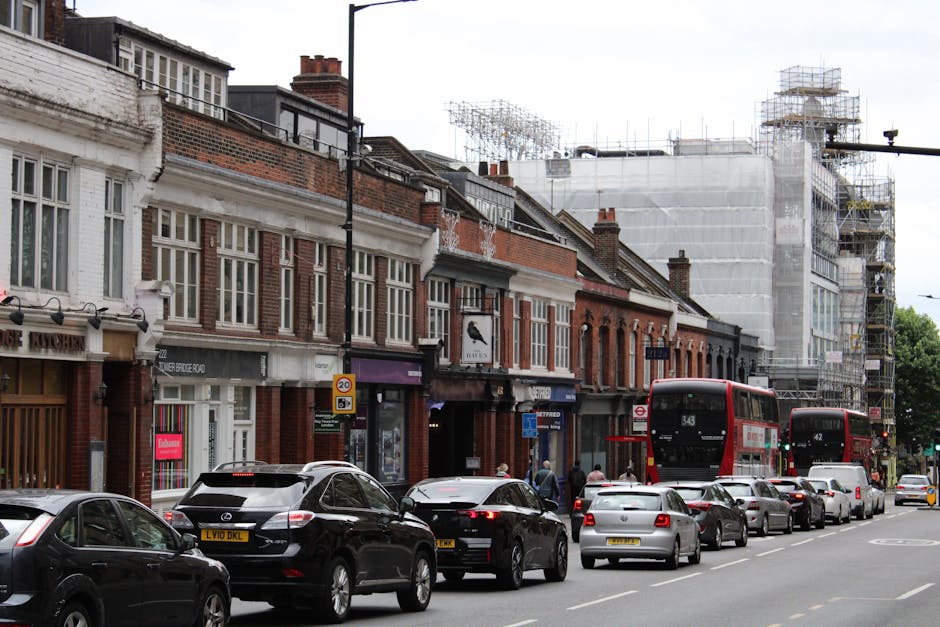
William Morris Gallery removals advice Walthamstow
If you are moving near the William Morris Gallery, you already know the area has its own rhythm: busy local roads, older terraces, tight parking, and the occasional awkward stairwell that seems designed by someone with a grudge. That is exactly why William Morris Gallery removals advice Walthamstow matters. A move in this part of E17 is rarely just about lifting boxes. It is about timing, access, planning, and keeping the whole day calm enough that you can actually think straight.
Whether you are moving into a flat close to the gallery, relocating a family home, or helping a tenant get out on time, the same rules apply: plan well, protect your belongings, and keep the route clear. In this guide, you will find practical advice for making removals in Walthamstow smoother, safer, and far less stressful than the last-minute scramble many people end up with. Let's face it, moving day is not the moment to be guessing where the van can stop.
In our experience, the people who feel most in control on moving day are not the ones with the biggest van. They are the ones who prepared properly.
Table of Contents
- Why William Morris Gallery removals advice Walthamstow matters
- How William Morris Gallery removals advice Walthamstow works
- Key benefits and practical advantages
- Who this is for and when it makes sense
- Step-by-step guidance
- Expert tips for better results
- Common mistakes to avoid
- Tools, resources and recommendations
- Law, compliance, standards, or best practice
- Options, methods, or comparison table
- Case study or real-world example
- Practical checklist
- Conclusion
- Frequently asked questions
Why William Morris Gallery removals advice Walthamstow Matters
The area around the William Morris Gallery sits in a part of Walthamstow where moving logistics can be a little more complicated than people expect. You may be dealing with narrow residential streets, controlled parking, shared entrances, basement storage, or top-floor walk-ups. A perfectly ordinary move on paper can become a bit of a puzzle once a van arrives and the driver realises the bay is full, the road is tight, and the sofa will not magically float upstairs. Shame, really.
Good removals advice helps you avoid delays, extra handling, and damage to belongings or property. It also helps you make sensible decisions about vehicle size, packing order, and whether you need extra labour for heavier items. If you are moving locally, the small details matter more than people think. A two-hour move can become a five-hour one if access has not been checked properly.
There is also the emotional side. Moving near a place like the William Morris Gallery often means you are shifting within a neighbourhood you know well, perhaps staying close to the cafes, shops, or transport links you already rely on. That familiarity should make the move easier, not harder. The right advice keeps things organised so you can focus on the good part: settling into your next space with less chaos and fewer regrets.
Practical takeaway: local removals are won or lost before the van arrives. The better the planning, the easier the day.
How William Morris Gallery removals advice Walthamstow Works
At its simplest, the process is about matching the move to the space, the access, and the load. That means looking at three things first: what needs moving, where it is moving from, and what the property access is like at both ends. If you get those three right, everything else gets easier.
Here is the usual flow for a well-run local move:
- Assess the property - check stairs, lifts, door widths, parking, and any awkward corners.
- Estimate the volume - count boxes, furniture, white goods, and fragile items.
- Choose the right service - from a simple man and van option to a fuller removal services package.
- Pack strategically - label boxes, protect fragile items, and keep essentials separate.
- Plan the loading order - put items in the van in the order they will be needed at the destination.
- Allow for access issues - reserve time for parking, carrying distance, and lift delays.
- Unload with a system - place furniture first, then boxes by room, then essentials last.
For larger jobs, local people often compare different vehicle and service options. A smaller flat move may suit a removal van, while a bigger family relocation might need more support from experienced movers. The key is not to overbuy or underbook. Both create problems, just in different ways.
Truth be told, the best removals jobs feel boring in the middle. That is a good sign. Boring usually means organised.
Key Benefits and Practical Advantages
When removals are planned properly, the benefits go beyond simply getting from A to B. You save time, reduce stress, and make fewer costly mistakes. There is also less wear and tear on your furniture, walls, stair rails, and mood. That last one matters more than people admit.
- Less risk of damage - proper packing and lifting reduce scratches, dents, and breakages.
- Better use of time - a clear plan keeps the day moving instead of stalling at every doorway.
- Lower chance of access problems - knowing where the van can park avoids frustrating delays.
- More control over the move - you know what is happening, when, and why.
- Less physical strain - the right equipment and handling help avoid injury.
- Cleaner unpacking - labelled boxes and organised loading make settling in much easier.
There is another benefit people overlook: peace of mind for everyone involved. If children, neighbours, landlords, or building managers are part of the picture, a tidy and respectful move makes a huge difference. No one enjoys boxes blocking a shared hallway at 8am. Nobody.
If sustainability matters to you, some moves can also be planned with reuse and recycling in mind. Items that are no longer needed can be separated early rather than dumped in a panic at the end. A more mindful approach often saves space in the van too.
Who This Is For and When It Makes Sense
This kind of removals advice is useful for a wide range of people, not just those moving a full house. If you live or work near the William Morris Gallery, chances are you fall into one of these groups.
- Flat movers dealing with stairs, narrow hallways, or limited parking.
- Homeowners moving a full household and needing careful planning.
- Tenants who need to complete a move on a deadline and avoid extra charges.
- Landlords and letting agents coordinating quick turnarounds between occupancies.
- Small business owners moving stock, furniture, or equipment locally.
- People with bulky items such as wardrobes, beds, sofas, or white goods.
It also makes sense if you are moving during a busy period, like a weekend, school holiday, or month-end rush. Those times can feel crowded and oddly compressed, as if everyone in the borough decided to move at once. If that sounds familiar, you will benefit from a more structured approach.
To be fair, some moves look tiny on paper but turn out to be fiddly in practice. A one-bed flat with awkward access can take more thought than a larger house with a straight driveway. Size is only part of the story.
Step-by-Step Guidance
If you want the move to go smoothly, break it down into simple stages. That keeps the job manageable and makes it easier to spot problems before they become expensive or stressful.
1. Survey the property properly
Walk through the home and note anything that could slow the move down: tight corners, long internal walks, steps, low ceilings, narrow lifts, or shared entrances. Measure the biggest items if you are not sure they will fit. It sounds obvious, but in the rush of moving week, obvious things get missed all the time.
2. Decide what is actually going
Do a quick sort before moving day. Separate what is being taken, what is being donated, what can be recycled, and what is rubbish. If you wait until the van arrives, you will probably just shove everything into a box and hope for the best. That rarely ends well.
3. Choose the right moving support
A simple local move may only need a man with van arrangement, while a larger relocation might justify a more complete removals service. If you are shifting office items, equipment, or stock, commercial moves may be the better fit. Pick based on the actual workload, not wishful thinking.
4. Pack by room and by priority
Label boxes clearly with the destination room and whether they contain fragile or essential items. Keep a separate bag for the stuff you need straight away: kettle, chargers, toiletries, basic tools, snacks, and important documents. That small bag is strangely powerful on moving day. You will thank yourself later.
5. Prepare the parking and access plan
Check where the van can stop, how far items will need to be carried, and whether there are any restrictions or loading challenges. In busy parts of Walthamstow, even a short carry can become a long one if the nearest stop is already taken.
6. Protect the fragile and awkward items
Mirrors, glass, lamps, artwork, and electronics need extra care. Wrap them properly and keep them upright where needed. If you have particularly awkward furniture, ask in advance how it will be handled. You do not want a last-minute wrestling match with a wardrobe in the hallway.
7. Load in a sensible order
Heavier items normally go first, with lighter and more delicate items placed carefully around them. Keep essentials accessible if you will need them early. Good loading is part logistics, part common sense, and part not pretending every object is indestructible.
8. Unload room by room
At the destination, place items in the correct rooms before opening every box. This is the point where many moves start to feel easier. Once the furniture is in place and the first boxes are grouped properly, the property begins to feel like home again, even if there are still boxes everywhere.
Expert Tips for Better Results
Little decisions make a big difference. A lot of removals stress comes from avoidable friction, not huge disasters. Here are the things worth paying attention to.
- Book earlier than you think you need to. Local moving slots can disappear quickly, especially around weekends and month-end.
- Use one colour or one label system. Keep it simple. A messy labelling system is nearly as bad as none.
- Take photos of cable setups. TVs, desks, and home office equipment are easier to rebuild if you know what plugged into what.
- Measure stair turns and doorways. Sofas and beds often fail at the one awkward angle nobody mentioned.
- Keep valuables with you. Documents, jewellery, keys, and sentimental items are best not left in the van.
- Plan around the weather. A damp pavement and cardboard boxes are not friends.
- Build in buffer time. A realistic schedule is calmer than an optimistic one.
One thing we often suggest is creating a "first night" box for each household. It should contain bedding, towels, mugs, medication, phone chargers, and a few basics. It sounds minor. It isn't. When you are tired, hungry, and surrounded by boxes, that one crate becomes gold.
And yes, keep a roll of tape in your pocket. It disappears when you need it most. Almost like magic, but less impressive.
Common Mistakes to Avoid
Even well-organised people make the same few errors when planning removals around busy local areas like Walthamstow. Avoiding them can save hours.
- Underestimating access issues - a "quick move" can slow down immediately if the van cannot park close enough.
- Poor packing - overfilled boxes break, underfilled boxes collapse, and both are annoying.
- Leaving decluttering too late - you end up paying to move things you no longer want.
- Forgetting about fragile fittings - light shades, shelves, and mirrors are often overlooked.
- Not checking insurance or safety details - always know what cover and procedures are in place.
- Booking the wrong vehicle size - too small means repeat trips; too large can be inefficient and harder to park.
Another common mistake is assuming the move itself is the hard part. Often, the hard part is the prep. Once that is sorted, the actual moving day is usually much more straightforward. A bit dull, even. Which is ideal, honestly.
Tools, Resources and Recommendations
You do not need specialist gear for every move, but a few basics make a noticeable difference. The right kit helps protect furniture, speed up handling, and reduce the chance of damage.
- Strong boxes for books, kitchenware, and general household items.
- Bags or crates for soft items and quick-access essentials.
- Bubble wrap or paper wrap for fragile items and surfaces.
- Furniture blankets to protect larger pieces during transit.
- Mattress covers to keep bedding clean and dry.
- Straps or ties to stabilise awkward loads in the van.
- Basic toolkit for disassembly and reassembly where needed.
It also helps to choose a mover with clear policies on pricing, safety, and handling. If you want to compare options, start with pages that explain pricing and quotes, as well as practical support like packing and unpacking services. If you are moving heavier furniture, a service such as furniture pick up can also be useful for isolated items or one-off jobs.
For people who like to read up before booking anything, a local blog can be surprisingly handy. The best articles are not just sales pages. They help you understand what the job really involves, which is half the battle.
Law, Compliance, Standards, or Best Practice
For removals, the main compliance concerns are usually safety, handling, insurance, and fair service terms. You do not need to become an expert in transport law to move house, but you should know the basics.
First, if a company is moving your belongings, it should have sensible safety procedures in place and enough care around loading, lifting, and transport. That protects both the crew and your property. It is also reasonable to ask about insurance and how damage is handled if something goes wrong. Good operators explain this clearly without making it sound like a legal maze.
Second, if packing, carrying, or dismantling is involved, workers should follow safe manual handling practices. That is standard best practice, not a luxury. Heavy lifting without planning leads to injuries, and no one wins there.
Third, if you are moving from rented accommodation, check your tenancy obligations, notice periods, and checkout responsibilities before moving day. That is not removals law exactly, but it matters. Missing a cleaning requirement or leaving something behind can be expensive and irritating.
Finally, read service terms carefully. It sounds dull. It is dull. But dull is useful when it stops a misunderstanding later. Look at access charges, waiting time, cancellation terms, and what happens if the move runs longer than expected.
For broader trust signals, pages such as insurance and safety, health and safety policy, and terms and conditions can help you judge whether a provider takes the work seriously.
Options, Methods, or Comparison Table
Different move types call for different levels of support. The table below gives a simple comparison, using plain English rather than jargon.
| Option | Best for | Typical strengths | Possible drawbacks |
|---|---|---|---|
| Man and van | Small flats, light loads, single-room moves | Flexible, practical, often ideal for local work | May not suit very large or heavy moves |
| Full removals service | House moves, family relocations, bigger loads | More support, better for complex jobs | Can be more than you need for tiny moves |
| Packing and unpacking add-on | Busy households, fragile items, tight timelines | Less stress, quicker turnaround | Extra service to arrange and budget for |
| Commercial removals | Offices, studios, stock, equipment | Better coordination and business-focused handling | Needs clear planning and timing |
If you are unsure which approach fits your move, start by checking whether your load is mostly boxes, bulky furniture, or specialist items. Then think about access. A modest amount of furniture in a difficult building can be harder than a larger home move with easy parking. Strange, but true.
For many local residents, a straightforward home moves service or a more specific house removals option is enough. If you are comparing providers, pages like removal company and removal companies can help frame the difference between basic transport and a more guided service.
Case Study or Real-World Example
Picture a common Walthamstow scenario. A couple is moving from a second-floor flat near the William Morris Gallery into a nearby terraced house. On paper, it looks simple: not far, not much furniture, and no long-distance logistics. But the flat has a narrow stairwell, the road outside is tight for parking, and the sofa is just a bit too long for a comfortable turn at the landing.
They start early, which helps. Boxes are labelled by room, the heavier items are broken down in advance, and the kettle, bedding, and chargers go into a clearly marked essentials bag. The movers arrive, check access, and park as close as possible without blocking the street. Because the move was planned around the stairwell and the parking, the job runs smoothly. Not magically. Just smoothly.
Halfway through, there is a small hiccup: one dining chair has a loose leg, so it is wrapped separately and kept off the top of the load. That small decision prevents a wobble and saves a repair later. Nothing dramatic happened, which is exactly why the plan worked.
That is the real lesson. Local removals do not need to be perfect. They need to be sensible. A good move is often built from ten unglamorous decisions made before anyone touches a box.
Practical Checklist
Use this quick checklist before moving day. It is basic, but that is the point.
- Measure large furniture and doorways
- Confirm parking and access at both addresses
- Choose the right vehicle and service level
- Pack fragile items carefully
- Label boxes by room and priority
- Set aside essentials for the first night
- Disconnect appliances safely
- Keep documents, keys, and valuables with you
- Check insurance and service terms
- Clear walkways and common areas before the crew arrives
- Plan for weather, delays, or extra time
- Do a final sweep for forgotten items
If you can tick off most of these before the van turns up, you are already ahead of the game. That is not perfection. It is just good moving sense.
Conclusion
William Morris Gallery removals advice Walthamstow is really about helping you move with less friction and more confidence. The local area has its quirks, but those quirks are manageable when you plan access, pack properly, and choose the right level of support. Whether you are moving a flat, a family home, or a small business setup, the process becomes much easier once you stop treating it like a last-minute task.
Use the practical steps, compare your options carefully, and give yourself more time than you think you need. That one habit alone can transform a stressful day into a manageable one. And if you are still staring at half-packed boxes wondering where to start, start small. One room, one label, one decision at a time.
Get a free quote today and see how much you can save.
Sometimes the best move is the one that feels quietly under control from the very beginning.
Frequently Asked Questions
What does William Morris Gallery removals advice Walthamstow actually cover?
It covers the practical side of moving in the local area, including access, packing, parking, vehicle choice, and how to avoid common delays. In simple terms, it helps you move more smoothly near the William Morris Gallery and across Walthamstow.
Do I need a full removals service for a small flat move?
Not always. A smaller move may be fine with a man and van or removal van option, especially if you have already packed and there are no difficult access issues. If stairs, heavy furniture, or awkward parking are involved, a fuller service may be worth it.
How far in advance should I book a removal service in Walthamstow?
As early as you can, especially if you are moving at the weekend or near month-end. Local slots can get booked up faster than people expect. A bit of lead time usually makes the whole job easier.
What should I do if parking is tight near my property?
Check the parking situation before moving day and think about how far items may need to be carried. If the road is narrow or busy, allow extra time. Even a small walk from the van can add up when you are moving furniture.
Is packing and unpacking help worth it?
For busy households, fragile items, or tight deadlines, yes, it often is. It saves time, reduces stress, and can lower the chance of breakages. If you enjoy packing, you may prefer to do it yourself, but plenty of people are happier handing that part over.
How do I stop furniture from getting damaged during a move?
Protect edges, wrap delicate surfaces, dismantle what can be safely taken apart, and secure items properly in the van. Good loading matters too. The furniture should not be able to slide around every time the vehicle turns a corner.
What items should I keep with me rather than in the van?
Keep passports, keys, money, jewellery, medication, chargers, and anything sentimental or difficult to replace with you. It is also sensible to keep your first-night essentials bag close at hand. That way, you are not hunting through five boxes for toothpaste at 10pm.
Are removals in Walthamstow harder than in other parts of London?
Not always harder, but often more access-sensitive. Streets, parking, building layouts, and local traffic patterns can make planning more important. The move itself may be straightforward once those details are handled properly.
What is the difference between a removal company and a man with van service?
A removal company usually offers a broader, more structured service with more support for larger or more complex moves. A man with van setup can be more flexible and cost-effective for smaller jobs. The right choice depends on the size and complexity of your move.
Should I declutter before I get quotes?
Yes, if possible. Clearing out unwanted items before you book can make the quote more accurate and may reduce the total load. It is also oddly satisfying to move less stuff. Who wants to pay to transport a broken lamp and three cables you do not even recognise?
What should I check in the terms and conditions before booking?
Look at waiting time, cancellation terms, access conditions, and what happens if the move takes longer than planned. Those details are easy to overlook, but they matter on the day.
Can I move bulky furniture from a gallery area flat without professional help?
Sometimes, yes, but only if the furniture is manageable, the access is safe, and you have enough people to lift properly. If in doubt, it is usually wiser to get help rather than risk damage or injury. A careful move is almost always cheaper than a bad one.