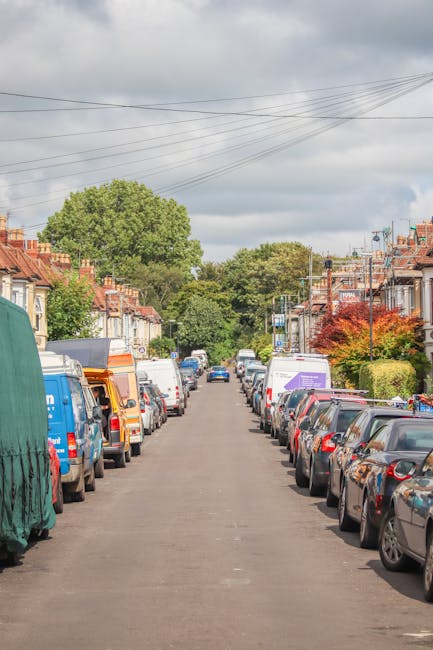
Hoe Street man and van tips for narrow Walthamstow flats
Moving out of a narrow flat in Walthamstow can feel oddly harder than moving a bigger home. One awkward hallway, a tight turn by the front door, a stairwell that seems designed to test your patience, and suddenly even a small move becomes a puzzle. That is exactly where Hoe Street man and van tips for narrow Walthamstow flats come in. The right approach saves time, protects your furniture, and makes the whole day feel far less chaotic.
This guide is for anyone juggling boxed-up life in a compact flat near Hoe Street, whether you are moving across E17, heading out of London, or simply shifting a few bulky items into storage. We will cover the practical bits that matter most: planning, access, packing, van size, stairwell protection, timing, and when it makes sense to use a professional man and van service instead of trying to improvise with a borrowed vehicle and a lot of hope. Let's face it, hope is not a moving strategy.
If you want a wider picture of the local context, it can also help to understand the area itself. Articles like Walthamstow's blend of city and suburb and whether Walthamstow is a good neighbourhood to live in explain why local moves often need a bit of extra care: busy streets, older buildings, and flats that are compact in all the familiar London ways.
Table of Contents
- Why these tips matter for narrow Walthamstow flats
- How a man and van move works in practice
- Key benefits and practical advantages
- Who this is for and when it makes sense
- Step-by-step guidance
- Expert tips for better results
- Common mistakes to avoid
- Tools, resources and recommendations
- Law, compliance, standards and best practice
- Options, methods and comparison table
- Case study or real-world example
- Practical checklist
- Conclusion
- Frequently asked questions
Why Hoe Street man and van tips for narrow Walthamstow flats Matters
Narrow flats create movement problems that do not show up on a standard moving day checklist. The issue is rarely the number of boxes. It is the shape of the space. Low ceilings, slim landings, tight corners, and staircases that force you to turn furniture at awkward angles can turn a routine relocation into a slow, sweaty, slightly miserable affair.
Hoe Street brings its own layer of complexity. Parking can be tight, traffic can build up faster than you expect, and on-street loading is not always forgiving. If you are moving from or to a flat near the High Street, every extra minute matters because your van, your helpers, and your neighbours all feel it. A good move is not just about lifting. It is about timing, access, and protecting the building while you work.
That is why a man and van approach is often ideal. It is more flexible than a full-scale removal lorry for small-to-medium flat moves, and it can be a better fit for E17 homes where the access is awkward but the job is still manageable with the right planning. For people who are still deciding between flat-focused moving help and broader home-removal support, the local overview on flat removals in Walthamstow is a useful place to compare expectations.
Key point: In a narrow flat, the move is won or lost before the van arrives. If the route, the boxes, and the order of loading are wrong, the day becomes harder for no good reason.
There is also a trust angle. Residents moving out of compact flats often have delicate items, shared hallways, and building rules to think about. When you choose a service with clear processes, good communication, and sensible insurance and safety practices, you reduce the chance of scratches, delays, and that awful moment when someone realises a wardrobe will not fit around the landing bend. Not ideal. Not at all.
How Hoe Street man and van tips for narrow Walthamstow flats Works
At its simplest, a man and van move is a smaller, more agile removal setup. One or two movers arrive with a suitable van, help load your belongings, transport them, and unload at the destination. For narrow flats, the value is in the flexibility: the crew can adjust to stair access, adapt to parking constraints, and handle the sort of urban moving day that does not run perfectly to schedule.
Here is how it usually works in a well-planned local move:
- Access is checked first. You look at stairs, door widths, lifts, loading points, and where the van can safely stop.
- Items are grouped by size and fragility. Boxes, soft furnishings, white goods, and furniture are handled differently.
- The van size is matched to the job. Too big and you create parking headaches; too small and you need extra trips.
- Loading is ordered strategically. Heavy, sturdy items go in first; fragile items are protected and placed where they will not shift.
- Unloading is planned by room. That saves time at the far end and stops the new flat from becoming a maze of mystery boxes.
For some moves, especially when you are only shifting a sofa, a few boxes, and a bed frame, a smaller vehicle is all you need. For others, such as a complete one-bedroom flat with furniture and appliances, a larger van or an additional trip may make more sense. If you are comparing options, the pages on man with a van in Walthamstow and removal van options can help you think through the practical side of vehicle choice.
A small but important detail: in narrow buildings, the crew's order of work matters almost as much as the lifting itself. If the sofa is moved before the boxes are cleared, you create bottlenecks. If the heaviest items are left until last, fatigue kicks in and mistakes creep up. A sensible moving sequence is a genuine time-saver.
Key Benefits and Practical Advantages
For a flat move with tight access, the benefits of a well-run man and van setup are not theoretical. You feel them on the day.
- More flexibility with access: Smaller vans are easier to position near narrow streets and awkward entrances.
- Less disruption to neighbours: Efficient loading and unloading usually means shorter kerbside time.
- Better fit for compact loads: Ideal when you are not moving a whole house's worth of furniture.
- Faster decision-making: There is less over-planning and fewer people on site, which can speed things up.
- Reduced handling stress: Items are carried fewer times when the plan is sensible from the start.
Another quiet benefit is cost control. You are not paying for a huge vehicle to crawl through a neighbourhood where a smaller van would do the job more cleanly. That does not mean the cheapest option is always the best option. A bargain quote can become expensive if it ignores access problems, waiting time, or the need for a second trip. For clear budgeting, it helps to review pricing and quotes before you commit.
There is also peace of mind in having the right support for the right size of move. If you are relocating from a furnished rented flat, or moving items into and out of a storage unit between tenancies, the right service can keep the whole process calmer. If you are dealing with furniture that needs more careful handling, furniture removals in Walthamstow may be worth comparing as part of your planning.
Who This Is For and When It Makes Sense
This kind of move is a strong fit for people in compact flats, shared houses, and converted properties around Hoe Street and wider Walthamstow. It is especially useful if your flat has narrow internal access, stairs without a lift, or a tricky loading point outside.
Typical situations include:
- first-time renters leaving a one-bedroom flat
- students or young professionals moving with moderate belongings
- couples downsizing from a larger property
- people moving bulky furniture out of a narrow Victorian conversion
- landlords clearing a small flat between tenancies
- anyone needing a same-day or short-notice collection
It also makes sense if you are not moving far but the access is awkward. A short distance across Walthamstow can still be a major logistical job if the staircase is narrow and the parking is unforgiving. In that case, a good local crew with experience of removals in Walthamstow can be more useful than a generic, one-size-fits-all service.
For students, the logic is similar. A small move with a mix of boxes, a desk, and a mattress often does not justify a large removal operation. That is why student removals in Walthamstow can be a sensible reference point if your move is lighter but still needs structure.
Step-by-Step Guidance
If you want the day to go smoothly, do not start with the van. Start with the flat. Here is the simplest useful order of operations.
1. Measure the awkward bits first
Doorways, hall widths, stair turns, banisters, ceiling height, and lift dimensions matter more than people think. Measure the furniture too, especially wardrobes, sofas, bed bases, dining tables, and anything with fixed or fragile parts. If an item looks borderline, assume it is borderline. That's usually safer.
2. Decide what is moving and what is not
Sort everything into three groups: taking, storing, and leaving behind. When people fail to do this early, moving day becomes cluttered and confusing. A spare chair or old bookshelf can quietly consume space in a van that should be reserved for the items you actually need.
If you have things that will not go straight into the next home, consider temporary storage. The page on storage in Walthamstow is useful if you need a holding option between tenancies or while you wait for furniture delivery.
3. Break the packing job into zones
Pack by room and by weight. Label boxes clearly, but keep labels simple and visible from the side. Use a second marker for fragile items if needed. In a narrow flat, a box marked "kitchen: heavy" is a lot more useful than a vague label like "misc". We all know what happens to misc.
4. Prepare the access route
Clear hallways, remove loose rugs, protect sharp corners, and make sure doors can stay open safely while loading. If the stairwell is communal, keep noise and obstruction to a minimum. A little courtesy goes a long way in a shared building, especially when people are leaving for work or coming back with shopping bags and not expecting a sofa in the lobby.
5. Choose the right van size and loading plan
Talk through the load honestly. If you understate the volume, the day slows down. If you overstate it wildly, you may pay for space you do not need. Good planning creates the right balance. This is where a proper local provider can be useful, because they will recognise the realities of narrow flats, stair access, and parking on or near Hoe Street.
6. Load in the right order
Load heavy, solid items first, then stack boxes by strength and fragility, then use soft items to fill gaps and stop movement. Avoid creating a wall of boxes that shifts every time the van turns a corner. It sounds obvious, but you would be surprised how often this goes wrong.
7. Check unloading before you leave
At the destination, make sure each room is ready to receive its items. Clear the hallway, identify where large furniture should go, and keep fragile items separate until you are ready to unpack. A few minutes of organisation at the end can save half an hour of backtracking.
Expert Tips for Better Results
These are the little things that make a compact flat move feel less like a scramble.
- Use smaller boxes for books and heavy kitchen items. Big boxes look efficient until they become unliftable.
- Remove lampshades, drawers, and detachable legs. Furniture gets easier to carry and less likely to catch on corners.
- Wrap door edges and stair corners. A bit of protection is cheaper than repairing paintwork later.
- Keep a "first hour" bag separate. Put in tea, charger, toiletries, toilet roll, snacks, and important documents.
- Book a sensible time slot. Early starts can be helpful on busy streets, but only if you are actually ready.
One of the best tips, honestly, is to be realistic about the staircase. If your bed base will only move when tilted at a very precise angle, plan for that. Do not wait until the movers are standing in the hallway with a look that says, "well, this is awkward."
If you know the move involves a lot of furniture or heavier items, it may be worth reviewing the broader removal services in Walthamstow page to understand what level of help is available. For valuable or delicate items, insurance and safety information is also worth reading before the day arrives.
A small local insight: on tighter streets, five minutes of waiting can feel like twenty. That is why everything from key collection to lift booking to parking awareness should be sorted before the van turns up. Timing is not glamorous, but it matters. A lot.
Common Mistakes to Avoid
Most moving problems in narrow flats are preventable. They usually come from rushing, guessing, or assuming the space is more forgiving than it is.
- Underestimating the access route: A sofa that fits in the lounge may still fail at the stair turn.
- Packing too late: Last-minute packing leads to poor labelling and weak box structure.
- Booking the wrong vehicle: Too large can be a parking headache; too small creates extra trips.
- Not protecting walls and floors: Especially risky in older flats and shared buildings.
- Leaving heavy items until the end: That is how fatigue and damage happen.
- Forgetting building rules: Some blocks and landlords are particular about access, noise, or lift use.
Another easy mistake is assuming all man and van jobs are identical. They are not. A same-day collection, a small flat move, and a full house move are three different jobs in practice. If your move is time-sensitive, the same-day removals page can help you think through what urgent moving really requires.
And yes, there is also the classic mistake of forgetting the kettle. It sounds trivial until you are surrounded by boxes and unable to make tea. Which, in Britain, is borderline cruel.
Tools, Resources and Recommendations
You do not need a giant toolkit, but a few practical items make narrow-flat moves much easier.
- Furniture straps or moving blankets: Useful for protecting larger pieces and making them easier to grip.
- Sturdy tape and box labels: Keep the packing consistent and easy to read.
- Doorstop wedges: Handy when you are moving items through a door repeatedly.
- Protective floor coverings: Particularly useful in shared hallways or polished floors.
- Basic screwdriver set: Essential for dismantling beds, tables, or shelving units.
- Permanent marker: Simple, reliable, and strangely easy to forget.
For packing help, the site pages on packing and boxes in Walthamstow and package and boxes in Walthamstow are relevant if you want to organise materials before the move rather than improvising with supermarket cartons and old tote bags.
If you are moving a flat with specific furniture challenges, furniture removals in Walthamstow can be a better match for heavier items, while broader help may come from the main services overview. That helps you compare what you actually need, not what sounds impressive on a website.
Law, Compliance, Standards, or Best Practice
For most domestic moves, the main concern is not law in a dramatic sense, but sensible compliance and good practice. Still, there are a few points worth keeping in mind.
Parking and loading: Always follow local parking restrictions and loading rules. Even a short stop can be a problem if it blocks traffic or ignores local restrictions. Around busy parts of Hoe Street, this is not something to take lightly. Planning where the van can stop is part of the move, not an afterthought.
Health and safety: Safe lifting, clear walkways, secure loads, and suitable footwear all matter. The page on health and safety policy reflects the kind of care you should expect from a professional mover. Good practice usually means trained handling, sensible use of equipment, and a proper attitude to injury prevention.
Insurance and liability: If items are valuable, fragile, or difficult to replace, understand what protection is included and what the limitations are. Do not assume everything is covered automatically. Read terms carefully and ask plain questions. No one enjoys doing that, but it is better than an unpleasant surprise later.
Accessibility: If you or someone in the household has mobility concerns, access requirements, or specific support needs, it is worth checking service accessibility in advance. The accessibility statement is a useful signal that the company takes those concerns seriously.
Waste and recycling: If you are disposing of unwanted items, separate reusable goods from waste where possible. A responsible move often creates less rubbish than people expect, and the recycling and sustainability page is a good reminder that good moving practice can also be cleaner and less wasteful.
Options, Methods, or Comparison Table
If you are deciding how to move from a narrow flat, the best method depends on volume, access, timing, and how much lifting you are comfortable handling. Here is a simple comparison.
| Option | Best for | Pros | Watch-outs |
|---|---|---|---|
| DIY with a hired vehicle | Very small loads and confident packers | Flexible, can seem cheaper at first | More stress, more lifting, higher risk of delays and damage |
| Man and van | Flat moves, compact furniture, local relocations | Agile, practical, suited to narrow access | Needs accurate load estimates and good access planning |
| Full removals service | Larger homes, complex moves, many items | More support, less physical work for you | May be more than you need for a small flat |
| Move with storage first | Gap between tenancies or staged move-outs | Useful when timing is uncertain | Adds another step and requires careful labelling |
In many narrow-flat situations, the man and van option is the sweet spot. It is small enough to fit the street and the stairwell, but flexible enough to handle the real world. And the real world, as we know, rarely behaves like a neat checklist.
Case Study or Real-World Example
Picture a one-bedroom flat off Hoe Street with a sofa, bed frame, mattress, a dining table, two shelving units, and roughly twenty boxes. Nothing outrageous. But the hallway is slim, the staircase turns sharply halfway down, and street parking is already busy by mid-morning.
In that sort of move, the winning approach is usually simple: dismantle the bed and shelving the night before, group boxes by room, move the soft items first, and reserve the heaviest pieces for a planned loading order. The mover arrives with a van that is large enough for the job but not so large that it causes extra street problems. One person handles the items from the flat while the other manages loading and spacing in the van.
The result? The move finishes in a steady rhythm instead of becoming a stop-start ordeal. The hallway stays clearer, the walls stay intact, and the last box does not arrive at the new place looking as though it had a rough argument with the van floor.
That is the difference good planning makes. Nothing magical. Just fewer surprises.
For property-related moves, it can also help to understand local demand and how people move in and out of the area. The articles on Walthamstow real estate and selling your Walthamstow property can add context if your flat move is tied to buying, selling, or letting.
Practical Checklist
Use this checklist the day before and the morning of the move.
- Measure doors, stair turns, and any lift access.
- Confirm what is moving, storing, or leaving behind.
- Label boxes by room and weight.
- Dismantle furniture that will not fit safely in one piece.
- Protect walls, floors, and sharp corners.
- Set aside a first-day essentials bag.
- Check parking and loading access near Hoe Street.
- Keep keys, documents, and valuables separate.
- Tell movers about any fragile or awkward items.
- Check the weather if you are moving early or late in the day.
Quick sanity check: if you cannot walk from front door to van without stepping over something, the packing is not finished yet.
Get a free quote today and see how much you can save.
Conclusion
Moving from a narrow Walthamstow flat is rarely about brute force. It is about making smart choices early so the day feels controlled, not crowded. When you plan access carefully, pack in the right order, choose the right size of van, and keep the stairwell protected, the move becomes much easier to live through. That is the real promise of Hoe Street man and van tips for narrow Walthamstow flats: less guesswork, fewer delays, and a move that feels properly handled.
Whether you are shifting one sofa or an entire compact home, the goal is the same. Keep the space clear, the plan simple, and the day calm enough that you can actually breathe for a second. Small move, big relief. Funny how that works.
Frequently Asked Questions
What is the best van size for a narrow Walthamstow flat move?
The best van size depends on your load, not just the flat size. For compact one-bedroom moves, a smaller or mid-size van is often enough, especially where parking and access are tight. If you have bulky furniture or a full household load, you may need a larger vehicle or an extra trip.
How do I know if my sofa will fit down a narrow stairwell?
Measure the sofa at its widest point, then compare that with the narrowest part of the stair route, including corners and turns. If the item needs to be twisted or tilted, you should assume you need more clearance than the basic measurements suggest. When in doubt, dismantle where possible.
Is a man and van service suitable for a whole flat?
Yes, often it is. A man and van is usually a very good fit for studio flats, one-bedroom flats, and smaller two-bedroom moves, especially in older buildings or on tighter streets. The key is being honest about volume and access so the right vehicle and help can be arranged.
How early should I book a move on Hoe Street?
As early as you can if you want a preferred time slot, especially at weekends or month-end. If your move is flexible, you may have more options. For urgent cases, same-day or short-notice support can sometimes be arranged, but it is always better to plan ahead where possible.
What should I do if parking outside my flat is limited?
Check where the van can legally stop, and think about the walking distance from the van to the entrance. If parking is tight, a smaller van and a tighter loading plan are often better than trying to force a larger vehicle into a difficult space. Keep neighbours and traffic flow in mind too.
Do I need to dismantle furniture before the movers arrive?
Not always, but it often helps in narrow flats. Beds, shelving units, and some tables are much easier to move once parts are removed. If you are not sure what can stay assembled, ask in advance and leave enough time for the job. Last-minute dismantling is nobody's favourite part of moving day.
Can I use storage if my new flat is not ready yet?
Yes. Temporary storage is useful if you have a gap between move-out and move-in dates or if you are waiting for repairs, keys, or furniture delivery. It can also make the day calmer if your new flat is too cramped to receive everything at once.
What are the biggest risks in narrow flat moves?
The biggest risks are scratching walls, damaging furniture during turns, underestimating the load, and getting stuck with poor access or parking. These are mostly planning problems, which means they are usually avoidable. Good preparation matters more than people expect.
How can I keep moving costs under control?
Be accurate about the number and size of items, pack early, dismantle furniture where sensible, and avoid booking a vehicle that is far larger than needed. It also helps to compare the service fit rather than focusing only on headline price. The cheapest option is not always the best value.
What if I need to move at very short notice?
If you need a quick turnaround, focus on essentials first: access, load size, and what absolutely must move now. Short-notice moves can work well with flexible man and van support, but you will get the best result if you stay realistic about what can be done safely and in time.
Are man and van moves safe for heavy furniture?
They can be, provided the items are handled properly, the load is not excessive, and the movers have suitable equipment and experience. Heavy items need careful lifting, good loading balance, and clear access. If the item is especially valuable or awkward, ask about the right approach before moving day.
Where can I find more help with flat moving in Walthamstow?
You can look at services and related guidance such as flat removals in Walthamstow, man with a van in Walthamstow, and removals in Walthamstow to compare the level of support that suits your situation.
How do I decide between DIY and hiring help?
Choose DIY only if the load is small, access is easy, and you are comfortable doing the lifting, loading, and driving. If you have a narrow staircase, bulky furniture, or a tight schedule, hiring help is usually the calmer and safer choice. Truth be told, calm is worth paying for on moving day.